







Choosing Your First Online Ludo Table
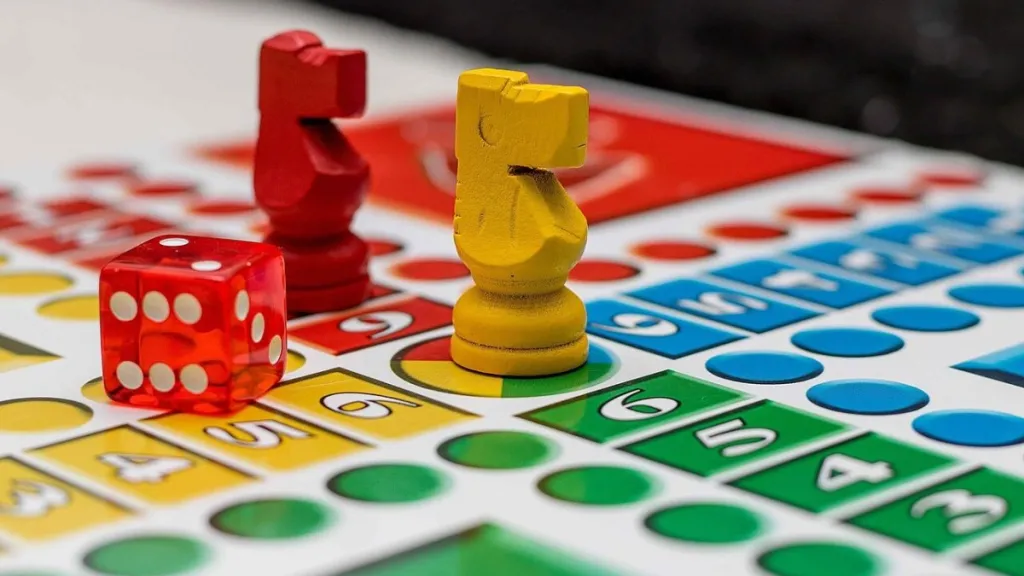
The first decision in online Ludo is made before any die is rolled: which table to sit at. GoPlay11 and Drem both list two Ludo titles, Ludo and Ludo Win, and each title offers its own tables. A beginner who chooses by the size of the prize usually chooses badly. Here is a calmer way to pick.
What a table is
A table is one game with fixed terms: an entry, a number of players, a format and a prize. You pay the entry to sit down, and the prize goes to the winner or winners. This guide did not record the entries or formats in Ludo or Ludo Win. They are shown in each game’s table list or info panel, and that is where every answer below has to come from.
Five things to read on the table
| Read this | Why it matters | A beginner’s choice |
|---|---|---|
| Entry | It is what one loss costs | The smallest on offer |
| Players | It sets how often you can expect to win | Two |
| Format and length | They decide the strategy and how long you are committed | One you can finish without rushing |
| Prize | It shows what the operator keeps | Compare it with the entries paid in |
| Turn timer and disconnect rule | A missed turn can lose a game | Know both before you start |
Start with the entry, not the prize
Decide first what you are willing to spend on the whole session. Then pick an entry that buys you many games for it. One workable rule is the session budget divided by twenty. With ₹200 set aside, that points to a ₹10 table if there is one; with ₹100, to ₹5. These amounts are an illustration, and the real entries are on the table list.
Twenty games is enough to meet good dice and bad dice, and to learn something from both. Two games at ₹100 teach nothing and are over in ten minutes.
If the smallest entry on offer is more than a twentieth of what you can afford to lose, the table is too big for a first session. That is a result too, and it costs nothing.
Look for a free table. Rummy on these platforms includes a Coins area where play coins stand in for cash. Whether Ludo offers something similar was not recorded, so check. A few free games are the cheapest lesson available.
Two players or four?
Between equally matched players, you win about one game in two at a two-player table and one in four at a four-player table. The four-player prize is larger to make up for it, but the wins come less often and long losing runs are normal.
| Table | Chance of winning a game | Chance of losing five in a row |
|---|---|---|
| Two players | About 50% | About 3% |
| Four players | About 25% | About 24% |
A new player who loses five straight games tends to conclude that the game is rigged or that a bigger table will win it back. At a four-player table, five straight losses at the start of a session happen about one time in four by chance alone. For a first session, choose two players. You also see the whole game: one opponent, and every move connected to yours.
What the prize tells you
Add up the entries and compare the total with the prize. Suppose two players pay ₹10 each and the winner receives ₹18. The operator has kept ₹2, which is 10% of the pot. Those numbers are invented; the real ones are on the table.
That share is the price of playing, and it means two equal players both lose slowly over time. Skill has to cover the gap before it produces any gain. It is one more reason to treat Ludo for money as paid entertainment. At the same entry, the table that keeps the smaller share is the better table.
Time and connection
- Pick a format you can finish. With ten minutes to spare, do not join a game that can run for thirty.
- Look at the turn timer. A short timer on a weak connection means missed turns.
- Read what happens if you disconnect. Some tables play on without you.
- Play the first session on a stable connection, somewhere you will not be interrupted.
A first-session plan
- Fix the budget and a time limit.
- Open the info panel of Ludo, then of Ludo Win, and compare their tables.
- Choose the smallest two-player table.
- Play a set number of games, say ten.
- After each loss, ask whether it was the dice or a move. Only the second is worth thinking about.
- Stop at the limit, winning or losing. Do not move up a table to recover losses.
When to move up
Not because you won three in a row. At a two-player table three straight wins happen by chance one time in eight. Move up, if at all, when the higher entry still fits the one-twentieth rule. Better play matters more than a bigger table, and the GoPlay11 Ludo tips page covers the decisions that win games.
At Drem
Drem’s Casino lobby lists the same two titles, so the same reading applies, and the table list is the first screen to study there too. Limits and warning signs are on the responsible gaming page. How the two platforms differ is on the GoPlay11 alternative page.
Ludo and Ludo Win were seen in both lobbies on 13 October 2026. Table terms were not recorded, and every rupee amount in this article is an illustration.